Showing posts with label February. Show all posts

Monday, February 23, 2026

A Potential Lunar Collision In 2032

Author comments from Smithsonian Magazine:

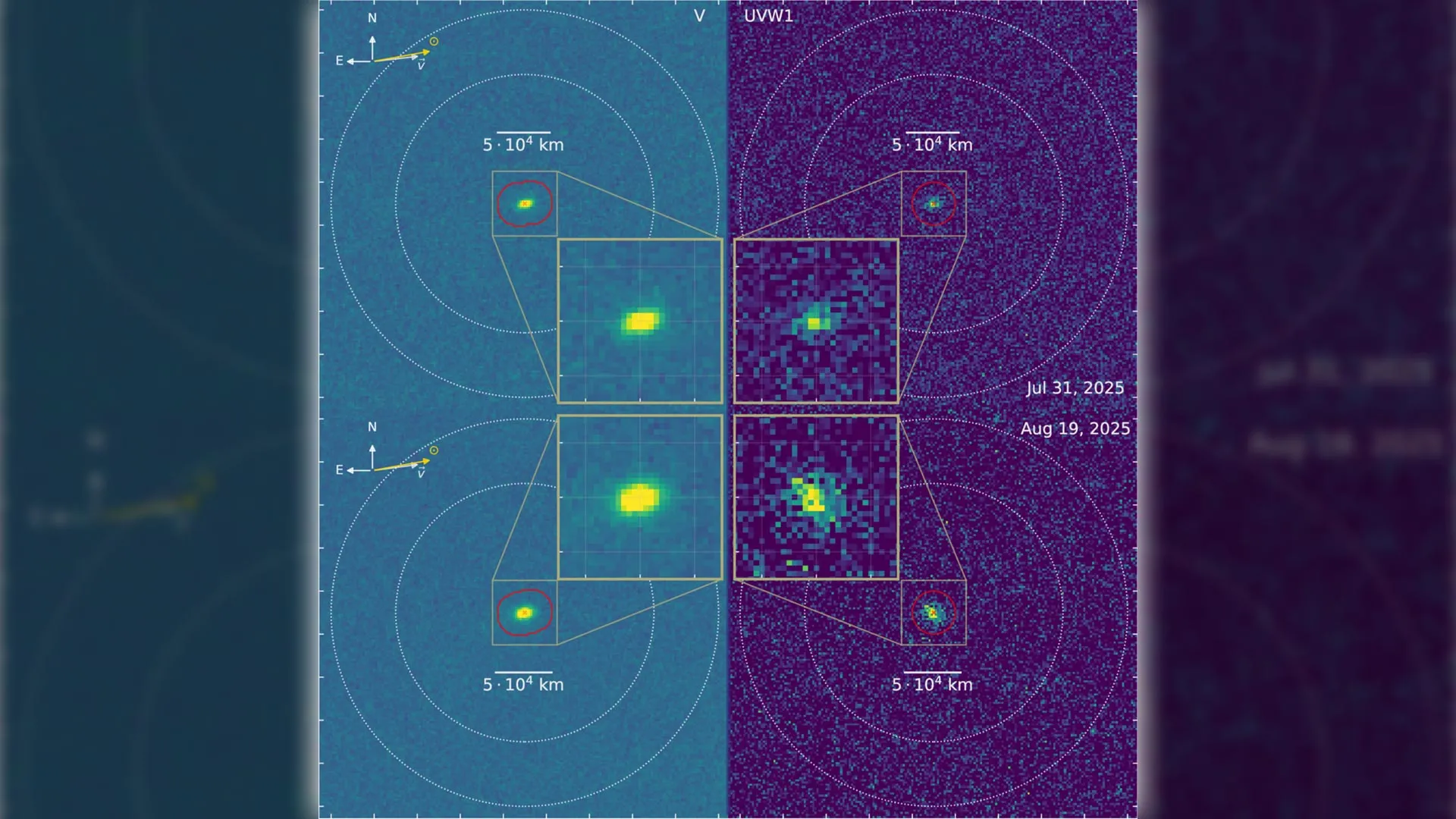
It is a most intriguing prospect that has captured the attention of astronomers and scientists alike, a possibility that was first brought to light on a chilly winter morning, Monday, February 9, 2026. An asteroid, known as 2024 YR4, is predicted to have a 4. 3 percent chance of colliding with the moon on December 22, 2032, according to NASA's most recent update. This likelihood, although relatively low, has sparked a sense of excitement and anticipation among experts, who are eager to observe and analyze the potential impact. Should the asteroid indeed strike the moon, it is expected to create a fiery flash that would be visible to earthlings, as well as a powerful lunar quake that could be detected by equipment on the moon. The impact, which would occur at a speed of nearly 9 miles per second, would likely result in a crater approximately 0. 6 miles wide and 500 feet deep. Researchers, led by a team of scientists, have run computer simulations to predict the possible location and characteristics of the crash, suggesting that the strike would occur in the moon's southern region around 10:19 a. m. Eastern Standard Time. The potential spectacle would be a rare and extraordinary event, with the initial burst

Image More takeaways: See this at smithsonianmag.com
Sunday, February 22, 2026

A Novel Approach To Mining Meteorites

Image

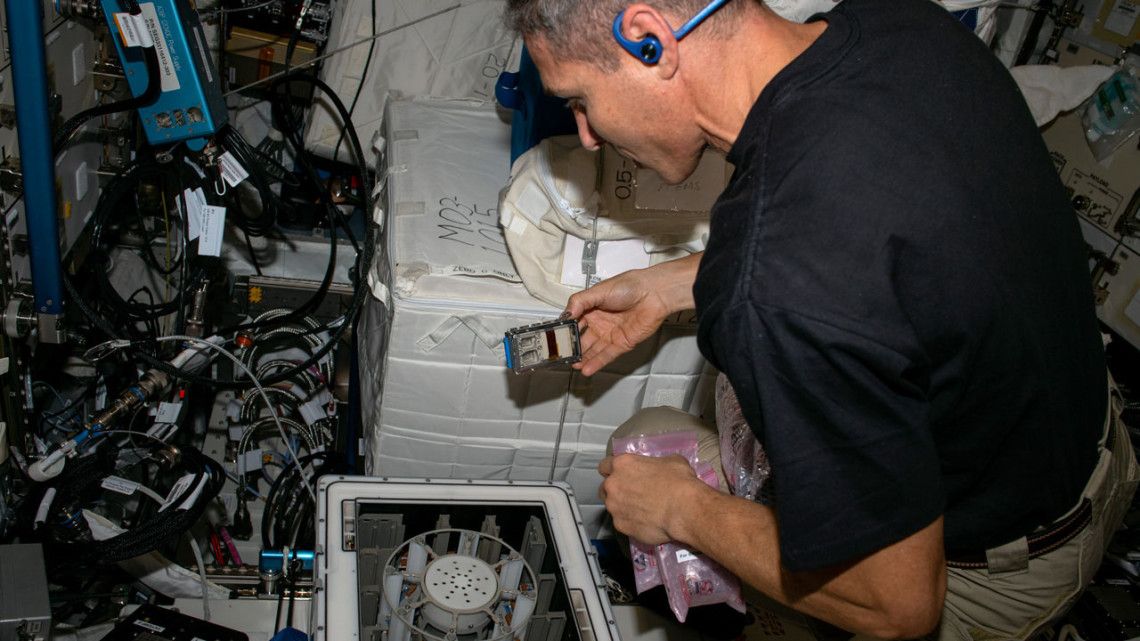
The darkness of space had long been a barrier to extracting precious metals from meteorites, but a breakthrough experiment on the International Space Station has shed light on a novel approach. Scientists have successfully used microorganisms to mine meteorites, a method that could potentially support space exploration. The experiment, conducted by NASA astronaut Michael Scott Hopkins, utilized two distinct microorganisms: the bacterium Sphingomonas desiccabilis and the fungus Penicillium simplicissimum. These microbes "mined" the meteorite specimens by producing carboxylic acids, which attached themselves to minerals and released them into a liquid solution. The researchers, including Cornell professor Rosa Santomartino, sought to understand how the extraction method worked in space compared to Earth. And it was in the vastness of space that the fungus' microbial metabolism changed, allowing it to increase molecule production, including carboxylic acids. But what does this mean for the future of space exploration? The enhanced release of palladium, platinum, and other elements could be crucial in sustaining long-term space missions. Space provided details on this topic, highlighting the significance of this experiment in the context of space exploration. The fact that the method worked similarly in both space and Earth environments is a significant finding

More takeaways: www.space.com

China's Population Crisis: Can Automation Save The Economy?

Image

The streets of Beijing lay shrouded in a faint haze, a reminder of the nation's struggle to come to terms with its dwindling population. China's birth rate, once a robust engine driving the country's economic growth, has slowed to a historic low. The consequences of this decline are far-reaching, threatening to upend the delicate balance between the nation's population and its economic system. A sense of urgency permeates the air as Chinese authorities scramble to implement policies aimed at encouraging procreation. Cash handouts and tax breaks have been doled out, while new rules have been put in place to simplify the marriage process. Yet, despite these efforts, the downward trend persists, leaving many to wonder if the nation is on the cusp of a major economic shock. The country's leader, Xi Jinping, has long been a proponent of upgrading and automating China's manufacturing sector, a key component of Beijing's vision to transform the nation into a self-sufficient high-tech powerhouse. This push into automation and AI may hold the key to mitigating the economic fallout of a shrinking population. According to demography expert Stuart Gietel-Basten, China's foray into automation could help stem the tide of economic decline, at least for the foreseeable future

Other references and insights: Visit website

Friday, February 20, 2026

100 Million In Funding For Advanced Space Missions

Image

In the city of El Segundo, a most wonderful thing did occur, Northwood Space, a startup with a most noble allure, Secured $100 million in funding, a Series B round so fine, To support space missions that move with speed and design. This funding will help them build and create with all their might, Advanced space missions that launch and operate in short sight, No more waiting for ages, no more tedious delay, With Northwood Space, the future of space is here to stay. And what's more, they've also won a contract, a most prestigious prize, From the U. S. Space Force, to upgrade the Satellite Control Network's guise, A system used to track and control satellites with care, And provide emergency support to those that tumble and stray with despair. According to the Los Angeles Times, this contract is a big deal, A $49. 8-million award that will help Northwood Space reveal, Their Portal system, a multi-beam phased array so grand, Designed to add capacity and support commercial missions in this space land. The funding round was led by Washington Harbour Partners, a most trusted guide, Co-led by Andreessen Horowitz, with participation from others who

Here's one of the sources related to this article: Check here

SpaceX's Crew-12 Mission Successfully Launches To The International Space Station

Image

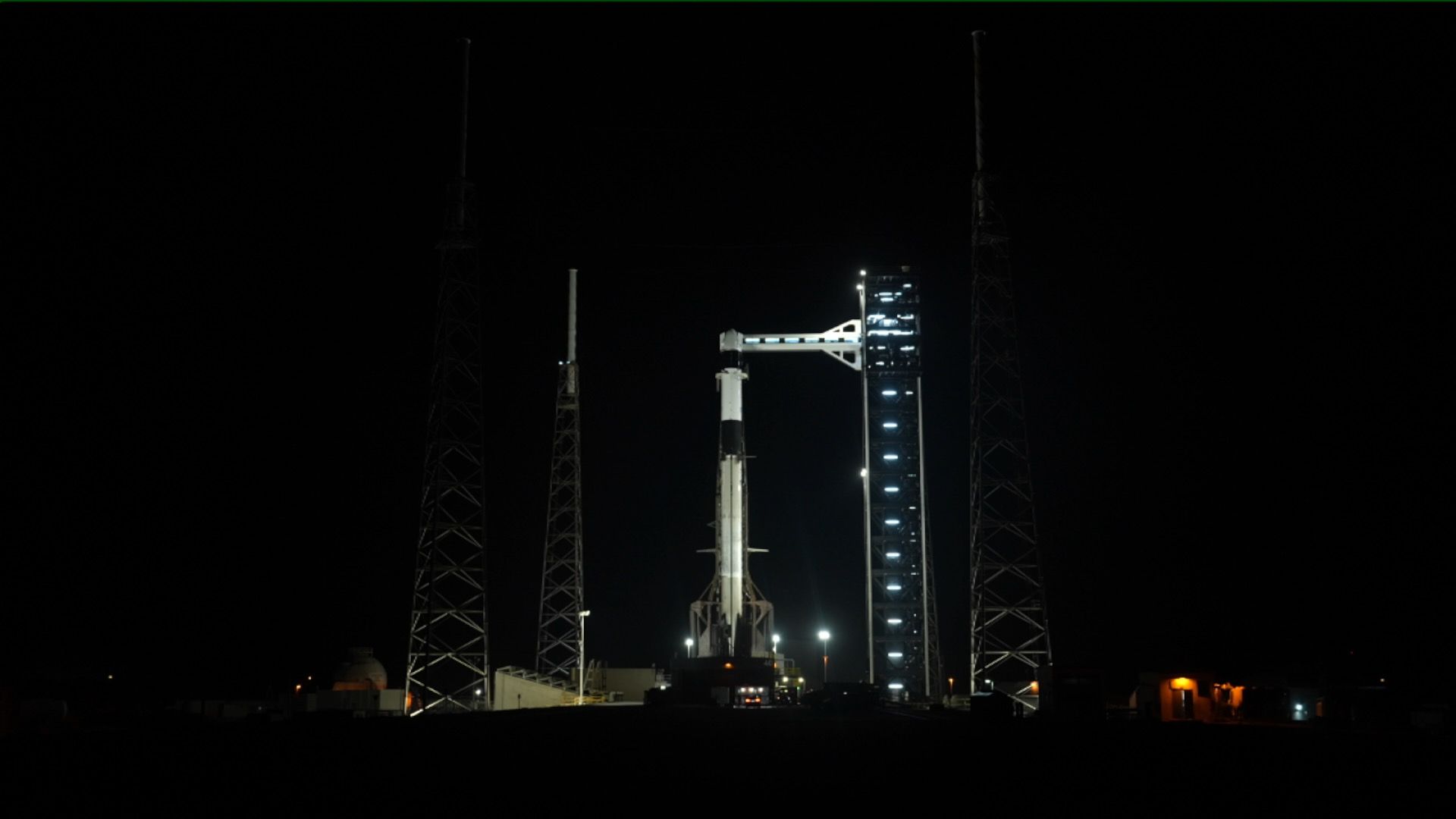
The Crew-12 mission, launched on Friday, February 13, 2026, marked a significant event in space exploration. SpaceX's Falcon 9 rocket soared into the sky from Florida's Cape Canaveral Space Force Station, carrying four astronauts to the International Space Station. Andrey Fedyaev, a seasoned cosmonaut, was part of this mission, bringing his expertise to the table. But what made this mission particularly noteworthy was the crew's diverse background. Jessica Meir, a NASA astronaut, took on the role of mission commander, while Jack Hathaway, also from NASA, served as the pilot. Sophie Adenot, representing the European Space Agency, joined the crew as a mission specialist. The Crew Dragon capsule, aptly named "Freedom," was set to dock with the ISS the following day, on Saturday, February 14, 2026. As the world watched, the Crew-12 mission successfully launched, and the astronauts began their journey to the ISS. The mission's progress was closely monitored, with updates provided by Space. com. This event, which occurred on February 13, 2026, was a notable milestone in space exploration, and it was made possible by the collaboration of space agencies and organizations. And now

Related materials: Visit website

Thursday, February 19, 2026

NASA Overcomes Fuel Leak Issues In Crucial Test For Artemis II Mission

Staff inbox at AP News:

At the Kennedy Space Center, a team of NASA engineers successfully fueled the giant moon rocket, a crucial step towards the Artemis II mission. The rocket, standing at 322 feet, was filled with over 700,000 gallons of supercold fuel, a process that was halted during the initial dress rehearsal due to leaks. And this time, the launch teams were able to count down to the 33-second mark without reporting any notable leaks, a significant improvement from the previous attempt. But the issue of hydrogen fuel leaks has been a persistent problem for NASA, dating back to the space shuttle era. The space agency has been working to resolve this issue, and the recent replacement of a pair of seals and a clogged filter may have contributed to the success of the second test. I think the fact that the engineers were able to identify and address the problem is a testament to their dedication and expertise. The outcome of this test is critical, as it will determine whether a March launch is possible for the Artemis II mission. The mission, which will be crewed by four astronauts, aims to send the first people to the moon in over half a century, making a 10-day out-and-back trip with no stops. And the soonest the astronauts could embark on this journey

Image Other references and insights: See here

SpaceX Competes In Secret Pentagon Challenge To Develop Advanced Drone Technology

She observes the recent developments in the field of artificial intelligence with great interest, particularly the participation of SpaceX in a secret Pentagon challenge. According to reports, SpaceX and its newly acquired AI subsidiary xAI are among the select few competing for a $100 million Defense Department prize. The challenge, launched in January, seeks to develop advanced swarm systems that can translate voice commands into digital instructions and coordinate multiple drones simultaneously. And this contest is not without its significance, for it has the potential to revolutionize the field of drone technology. The six-month-long competition has drawn the attention of various stakeholders, including investors and industry experts. But what is most notable about this development is the fact that SpaceX acquired xAI in February, a move that suggests the company is serious about expanding its capabilities in the field of artificial intelligence. As she delves into the details of this story, she finds that the source of this information is aol. com, a reputable online news platform. The article, which originally appeared on Benzinga. com, provides valuable insights into the secret Pentagon challenge and the companies participating in it. The fact that SpaceX is competing in this challenge is a testament to the company's commitment to innovation and its desire to push the boundaries of what is possible with artificial intelligence.

Image Related materials: Check here

Wednesday, February 18, 2026

The Olympics Of Astrophysics And Space Science

Image

A grand spectacle is unfolding in Hong Kong, as the city plays host to APRIM2026, an event that has been aptly dubbed "The Olympics Of Astrophysics And Space Science". This momentous occasion brings together the crème de la crème of the astronomical community, with the International Astronomical Union (IAU) at its helm. The IAU, a venerable institution that boasts a membership of over 13,000 professional astronomers from more than 85 countries, is dedicated to promoting and safeguarding the science of astronomy in all its aspects through international cooperation. And at the heart of this endeavor is the HKU Laboratory for Space Research (LSR), an interdisciplinary center at The University of Hong Kong that is driving advancements in space science, planetary research, and high-energy astrophysics. Through its innovative satellite research and academic collaborations, the LSR is pushing the boundaries of human knowledge and understanding of the cosmos. But what is truly remarkable about APRIM2026 is the caliber of expertise that it has attracted, with the best and brightest minds in the field converging on Hong Kong to share their research and insights. As the Diamond Sponsor of this prestigious event, the organizers have pulled out all the stops to ensure that APRIM2026 is an unforgettable

More takeaways: Visit website

Tuesday, February 17, 2026

China Showcases Advancements In Humanoid Robotics At Lunar New Year Gala

The Lunar New Year celebrations in China have once again showcased the country's advancements in humanoid robotics. Four startups, Unitree Robotics, Galbot, Noetix, and MagicLab, demonstrated their products at the highly anticipated gala, which is comparable to the Super Bowl in the United States. The event featured a range of impressive performances, including a fight sequence that mimicked the "drunken boxing" martial arts style, highlighting the robots' ability to coordinate and recover from faults. And then there was the opening sketch, which prominently featured ByteDance's AI chatbot Doubao. This was followed by a comedy skit where four Noetix humanoid robots shared the stage with human actors. The program also included a synchronized dance performance by MagicLab robots and human performers to the song "We Are Made in China." According to NBC News, this year's gala is particularly significant, given the growing hype surrounding China's humanoid robot sector. The sector is expected to see major players, including AgiBot and Unitree, prepare for initial public offerings this year. Domestic artificial intelligence startups are also releasing new models during the lucrative Lunar New Year public holiday. It's worth noting that last year's gala featured 16 full-size Unitree humanoids performing in unison with human performers

Image Alternative viewpoints and findings: See here

Revolutionizing Renewable Energy: The Rise Of Balcony Plug-in Solar Panels

Image
Staff inbox at Solar Power World:

She stood on her balcony, gazing out at the sun-drenched cityscape, and wondered if the future of energy was finally within reach. For years, the idea of harnessing solar power had seemed like a distant dream, a luxury reserved for those with the means to install bulky rooftop panels. But now, with the emergence of balcony plug-in solar panels, that dream was becoming a reality. These compact systems, already popular in Europe, allowed homeowners and renters alike to generate their own clean energy, without the hefty upfront costs or complicated installations. The concept was simple: plug a small solar kit into a standard outlet, and watch as the energy meter began to spin in reverse. As she delved deeper into the world of plug-in photovoltaic systems, she discovered that the benefits were numerous. Not only did they offer a lower cost and faster setup than traditional rooftop installations, but they also provided a sense of freedom and flexibility. No longer were homeowners tied to a specific location or restricted by the constraints of a rental agreement. With balcony solar, the power to generate clean energy was literally at their fingertips. The potential for widespread adoption was vast, and the implications for the environment were profound. By harnessing the power of the sun, individuals could reduce their reliance on fossil

Looking to read more like this: Visit website

Celestial Wonders Of The Night Sky

Information column from Space:

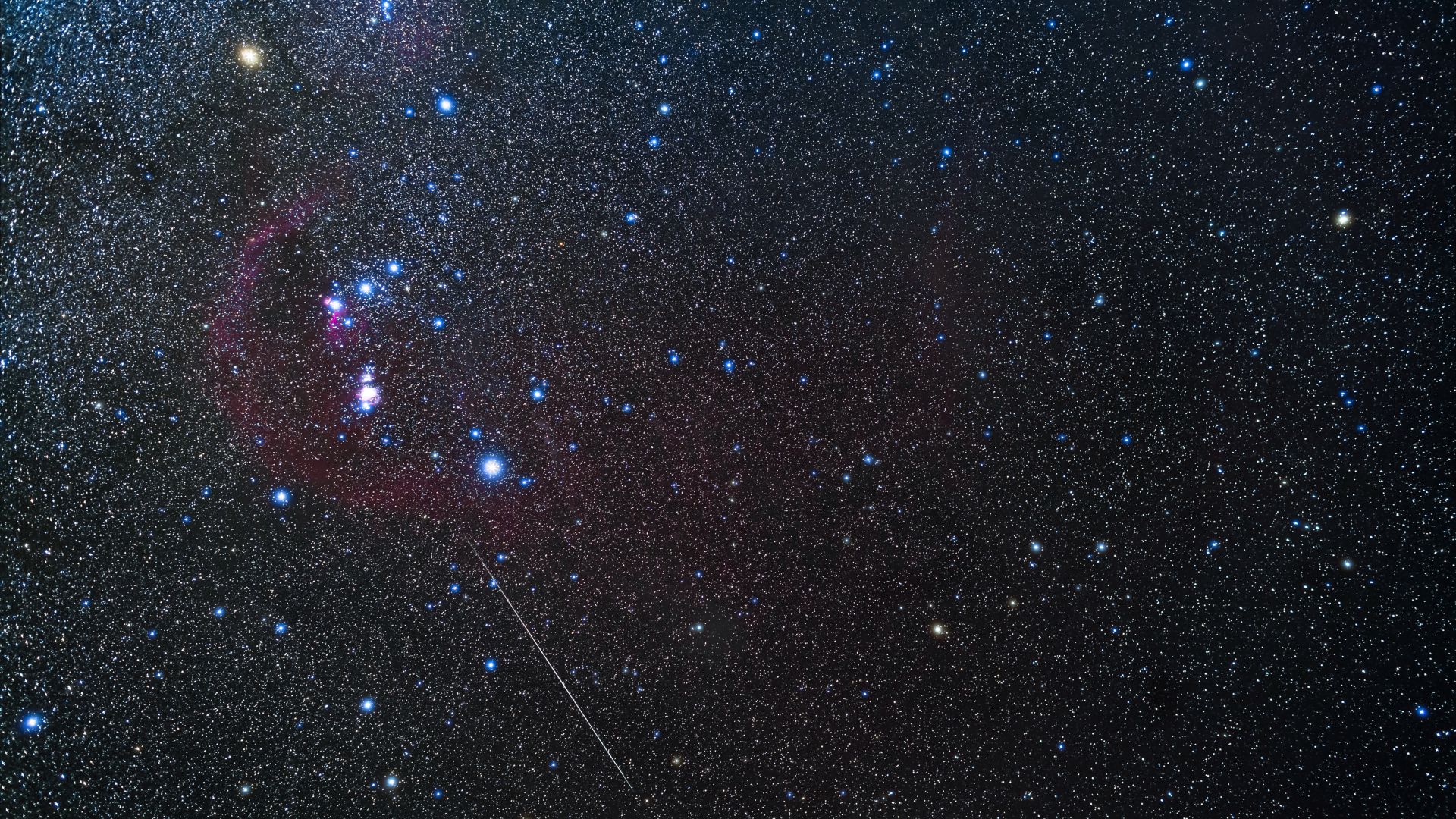
The night sky is a canvas of wonder, a vast expanse of twinkling stars and celestial bodies that have captivated human imagination for centuries. As the new moon phase occurred on February 17, the darkness of the post-sunset realm was illuminated only by the faint glow of distant stars, a perfect opportunity for stargazers to explore the wonders of the universe. The new moon, positioned directly between the sun and Earth, was hidden from view, its presence felt only by the annular solar eclipse that was visible across a swathe of Antarctica, a spectacular display of celestial alignment. Mercury, a bright "evening star", shone low in the west, its steady light visible for a brief hour following sunset, a fleeting glimpse of a planet that is often elusive. For the lucky few with a clear view of the western horizon, Venus was also visible, its light vying for attention in the glow of the setting sun, a brief appearance before it disappeared from sight. Saturn, with its iconic rings, was visible less than 15 degrees to the upper left of Mercury, its rings finally starting to reveal themselves after a period of being edge-on to Earth, a thin line that had seemed to disappear in November last year. The constellation Orion,

Image More takeaways: Visit website

Monday, February 16, 2026

\\\\\\\\\\\\\\\\\\\\\\\\\\\\\\\\\\\\\\\\\\\\\\\\\\\\\\\\\\\\\\\\\\\\\\\\\\\\\\\\\\\\\\\\\\\\\\\\\\...

The existence of extraterrestrial --- has long been a subject of fascination and debate. Former President Barack Obama's recent comments on the matter have sparked a renewed interest in this phenomenon. In a podcast interview, Obama jokingly confirmed the existence of aliens, stating that they are real, but he has not seen them, and there is no evidence to suggest that they have made contact with humans. The term UFO was coined by the U. S. Air Force in 1952 to describe aerial phenomena that cannot be easily identified, even after expert investigation. It is essential to note that the term UFO does not necessarily imply the presence of alien ---forms, but rather refers to unexplained aerial phenomena. Obama's statement that the distances between solar systems are vast, making it unlikely that Earth has been visited by aliens, is a rational and scientifically grounded perspective. In the context of Kentucky, the presence of UFOs is not uncommon, with many reported sightings in the state. However, it is crucial to approach these reports with a critical and nuanced perspective, recognizing that not all UFO sightings can be attributed to extraterrestrial activity. The Air Force Dec

Image Related perspectives: See here

The Space Nuclear Power Bottleneck — And How To Fix It

No technology holds more transformative potential for America's space aspirations than nuclear power. Radioisotopes can safely produce heat that will enable deep space exploration and survival of the frigid lunar night while fission reactors are capable of producing kilowatts of electricity on the moon or in orbit.

Fission is also the key to advanced nuclear propulsion systems that can expedite transit times to Mars and increase payload capacity throughout the solar system. Recognizing this, NASA has pledged to test a nuclear propulsion system by the end of 2028, and the White House has challenged the industry with landing a surface fission reactor on the moon in 2030. Ambitious goals, but absolutely within reach.

Several fission system developers are preparing to compete for NASA's Fission Surface Power opportunity. Many of these companies already have matured designs and in some cases prototype systems. But converting a paper reactor into mission hardware requires specialized testing environments that simply don't exist today.

These new facilities must support a range of fuel types — from High Assay Low Enriched Uranium to potentially even highly enriched uranium based on mission demand. They must be designed, licensed and constructed immediately if we expect to meet a 2030 lunar deployment. Maturing and proving reactor performance is just the first step in releasing the clog of space nuclear system development.

The next hurdle is system-level demonstration. Reactors do not operate in isolation; they integrate with landers, radiators, converters and deployment hardware. The U.S. lacks a nuclear compatible, vacuum-capable facility large enough to test a full fission-lander system. Such a facility must replicate thermal cycling, vibration, vacuum conditions and operational loads.

It must blend space system engineering with the rigor associated with nuclear safety, essentially creating a new class of hybrid test complex. Without it, performance in space remains an assumption rather than validation. The result must be a very large facility that combines conventional space system requirements with nuclear and radiation safety requirements.

Find other details related to this topic: Check here

Sunday, February 15, 2026

SpaceX Capsule Successfully Docks At International Space Station With Crew-12 Mission

Image
As published in cnn.com:

A most singular event has unfolded in the vast expanse of space, as a SpaceX capsule, bearing four intrepid astronauts, has successfully docked at the International Space Station, thereby restoring the orbiting laboratory to its full complement of personnel. According to reports from cnn. com, this remarkable feat was accomplished on Saturday, following a protracted journey of over 30 hours, during which the spacecraft navigated the celestial vastness with precision and accuracy. The arrival of the Crew-12 mission has brought a measure of relief to the ISS, which had been operating with a skeletal crew of three since mid-January, owing to the premature departure of a previous crew due to a medical concern. As Steve Stich, NASA's Commercial Crew Program manager, astutely observed, the success of this mission was contingent upon the meticulous preparation of not only the vehicles and hardware but also the crew themselves, whose rigorous training was a crucial factor in determining the launch date. With the ISS now returned to full strength, NASA can redirect its attention to forthcoming endeavors, including the eagerly anticipated Artemis II moon mission, slated to launch as early as March.

Other references and insights: See here

NASA's Artemis Program: Overcoming Challenges For A Historic Lunar Return

Image

She delves into the intricacies of NASA's Artemis Program, a monumental endeavor aimed at propelling humans back to the lunar surface after a five-decade hiatus. According to Yahoo News, the space agency's upcoming mission, Artemis II, is poised to push the boundaries of human space exploration, sending astronauts on a trajectory that will take them farther into space than ever before, circumnavigating the moon. The success of this mission is crucial, as it paves the way for future lunar landings and ultimately, a manned mission to Mars. However, concerns have been raised regarding the ablative Avcoat material used on the Orion capsule's heat shielding, which will be subjected to intense scrutiny during the mission's high-speed reentry into Earth's atmosphere. The significance of this concern is underscored by the damage sustained by the Orion spacecraft's heat shielding during the uncrewed Artemis I mission, where large pieces of the shielding were found to have fallen off during reentry. As NASA prepares to embark on this ambitious journey, the integrity of the heat shielding --- a critical factor in ensuring the safety and success of the mission.

Other related sources and context: See here

Saturday, February 14, 2026

SpaceX Falcon 9 Rocket Launches Starlink Satellites On Valentine's Day

As the sun sets on Valentine's Day in California, a spectacle of fire and steel is poised to pierce the sky, a testament to human ingenuity and the relentless pursuit of innovation. The SpaceX Falcon 9 rocket, a marvel of modern engineering, stands tall at 230 feet, its two-stage design a symphony of precision and power. On this day of love and devotion, the rocket's mission is not to deliver Cupid's arrows, but to deploy a constellation of 25 Starlink satellites into the vast expanse of low-Earth orbit. 

The launch, scheduled to take place at the Vandenberg Space Force Base in Santa Barbara County, promises to be a breathtaking display of technology and wonder, a perfect pre-dinner date for couples seeking to ignite their passion for the cosmos. 

 For those who cannot witness the launch in person, SpaceX will provide a _ webcast, a digital window into the magic of space exploration. As the rocket soars into the sky, it will leave a trail of glory in its wake, a reminder of the infinite possibilities that await humanity among the stars. Information for this article was obtained from USA TODAY.

Image 
Other related sources and context: See here


Update specifics

SpaceX marked its 600th Falcon 9 flight this Valentine's Day, successfully deploying 24 Starlink satellites into low-Earth orbit. The mission provided a romantic visual treat for Southern California residents, creating a brilliant "space jellyfish" effect in the twilight sky.

Mission Details

What's Next?

While the California launch was a success, the East Coast mission from Cape Canaveral was rescheduled for February 16 due to unfavorable weather conditions.

Friday, February 13, 2026

Autonomous Food Delivery Robots Spark Debate In Chicago Amid Safety Concerns

According to Chicago Tribune:

The proliferation of autonomous food delivery robots in Chicago has sparked a multifaceted debate, with proponents touting their efficiency and opponents citing concerns over safety and sidewalk congestion. As these robotic carts, adorned with vibrant flags, navigate the city's sidewalks and crosswalks, they have become a ubiquitous sight, ferrying tacos and other culinary delights to awaiting customers. However, their increasing presence has also been accompanied by a surge in incidents, including sidewalk standoffs, traffic jams, and a handful of collisions, which have raised questions about their integration into the urban landscape. The city's statistics reveal that the red Coco robots, which debuted in late 2024, and the green units from Serve Robotics, introduced last fall, have collectively logged over 29,000 sidewalk miles and delivered nearly 28,000 food orders. Despite these impressive numbers, the robots' safety record has been called into question, with some residents, like DePaul-area resident Janice Hughes, reporting harrowing encounters, including being rear-ended by a Coco robot while tending to her parkway. Hughes' criticism that the robots "don't have the education or ability to recognize how to curb themselves" succinctly encapsulates the concerns of many who feel that the robots are not yet sophisticated enough to navigate the complexities

Image Alternative viewpoints and findings: Check here

Astronomers Baffled By Bizarre Inside-Out Star System

In the vast expanse of space, a most peculiar star system has been unearthed, leaving astronomers in a state of utter bewilderment. According to Gizmodo, this bizarre star system, known as LHS 1903, is a small red M-dwarf star that defies the conventional norms of planet formation. The inner planets of our solar system are rocky, while the outer planets are gas giants, but LHS 1903 has turned this pattern on its head, with a late bloomer planet that may have formed at a different time than its neighbors. The discovery of this inside-out system has raised more questions than answers, with scientists struggling to understand how this weird rocky world came to be. As Thomas Wilson, a physics professor at the University of Warwick, noted, rocky planets don't usually form far away from their home star, on the outside of the gaseous worlds. The team behind the study combined observations from different space telescopes, including the European Space Agency's CHEOPS space telescope, to identify three planets orbiting around the star, and later discovered a small, fourth planet. Gizmodo is a source for this article, providing valuable insights into this extraordinary star system, which continues to fascinate and intrigue astronomers with its unique characteristics.

Image Looking to read more like this: See here

Thursday, February 12, 2026

Groundbreaking Discovery Challenges Traditional Notions Of Planetary System Formation

Image

According to Yahoo News, a groundbreaking discovery has been made in the field of astronomy, shattering traditional notions of planetary system formation. Researchers have identified a peculiar "inside out" planetary system orbiting a small, faint red star known as LHS 1903, where the outermost planet defies conventional expectations by being small and dense, likely rocky in composition. This unusual arrangement, described as rocky-gaseous-gaseous-rocky, is a rare phenomenon that challenges long-standing ideas about planetary formation and architecture. Led by physics professor Thomas Wilson from the University of Warwick, the study reveals that planetary systems may evolve in more diverse and complex ways than previously thought, sparking new avenues of research and inquiry. As astronomers continue to explore stars like LHS 1903, they may uncover more systems that upend traditional theories, ultimately expanding our understanding of the universe and its many mysteries.

Find other details related to this topic: Visit website