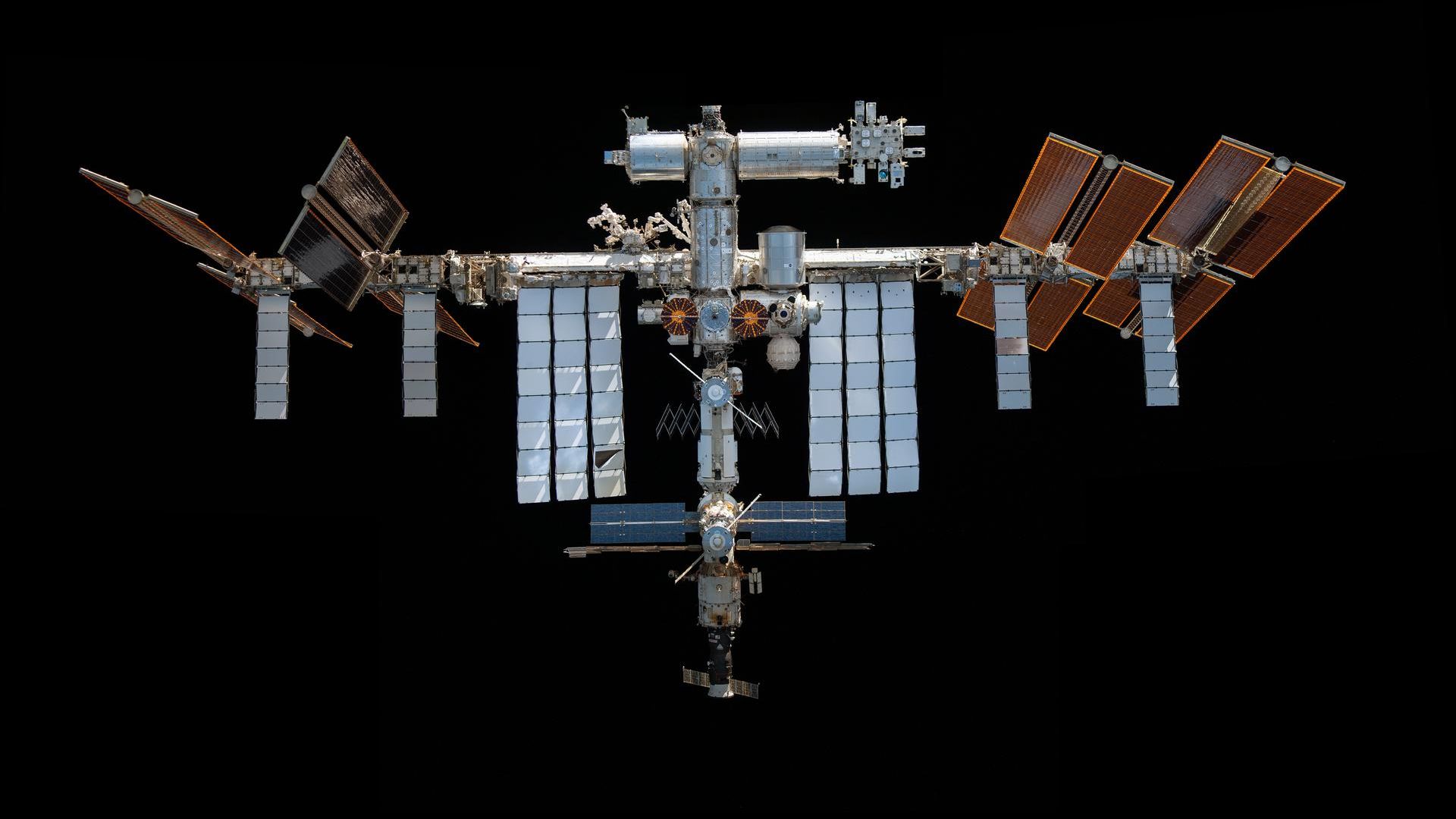
As NASA prepares to bid farewell to the International Space Station in 2030, a remarkable era of cooperation and scientific discovery is coming to a close. For over two decades, the station has served as a beacon of international collaboration, with the United States, Europe, Canada, Japan, and Russia working together to advance humanity's understanding of the universe.
The station's legacy is a testament to the power of global cooperation in space exploration. Since its inception in 1998, the International Space Station has been a hub of groundbreaking research, spanning materials science, biotechnology, astronomy, astrophysics, Earth science, combustion, and more. The unique environment of spaceflight, characterized by low gravity, a vacuum, extreme temperature cycles, and radiation, has allowed scientists to study complex physical, chemical, and biological processes in ways not possible on Earth. The station's decommissioning will mark the end of an era, but not the end of human presence in low-Earth orbit. NASA and its international partners are already exploring alternatives to continue leveraging the benefits of this unique research laboratory.
In December 2021, NASA announced awards to support the development of privately owned, commercially operated space stations, signaling a new chapter in the utilization of low-Earth orbit.
This article was originally published at The Conversation. The publication contributed the article to Space.com's Expert Voices: Op-Ed ⁘ Insights .More takeaways: Check here

No comments:
Post a Comment