In the vast expanse of space, a small, unassuming organism has defied expectations. A team from Hokkaido University in Japan sent moss reproductive structures, known as sporophytes, aboard the Cygnus NG-17 spacecraft in March 2022. The surprising revelation: over 80 percent of the spores survived for nine months outside the International Space Station. The spores, it seemed, had returned to Earth still capable of reproducing.
This remarkable feat has left biologists stunned. The study, published in iScience, details the incredible resilience of this tiny plant. For Fujita, the idea of space moss was born from his research on plant evolution. He pondered whether this hardy plant could survive in the harsh conditions of space. The team anticipated that the cumulative stresses of space - vacuum, cosmic radiation, extreme temperature fluctuations, and microgravity - would inflict significant damage.
However, the structure surrounding the spore appeared to serve as a protective barrier. It absorbed UV radiation and shielded the inner spore from harm. This coating likely evolved as an adaptation that enabled bryophytes, the group of plants that moss belongs to, to transition from aquatic to terrestrial plants 500 million years ago.
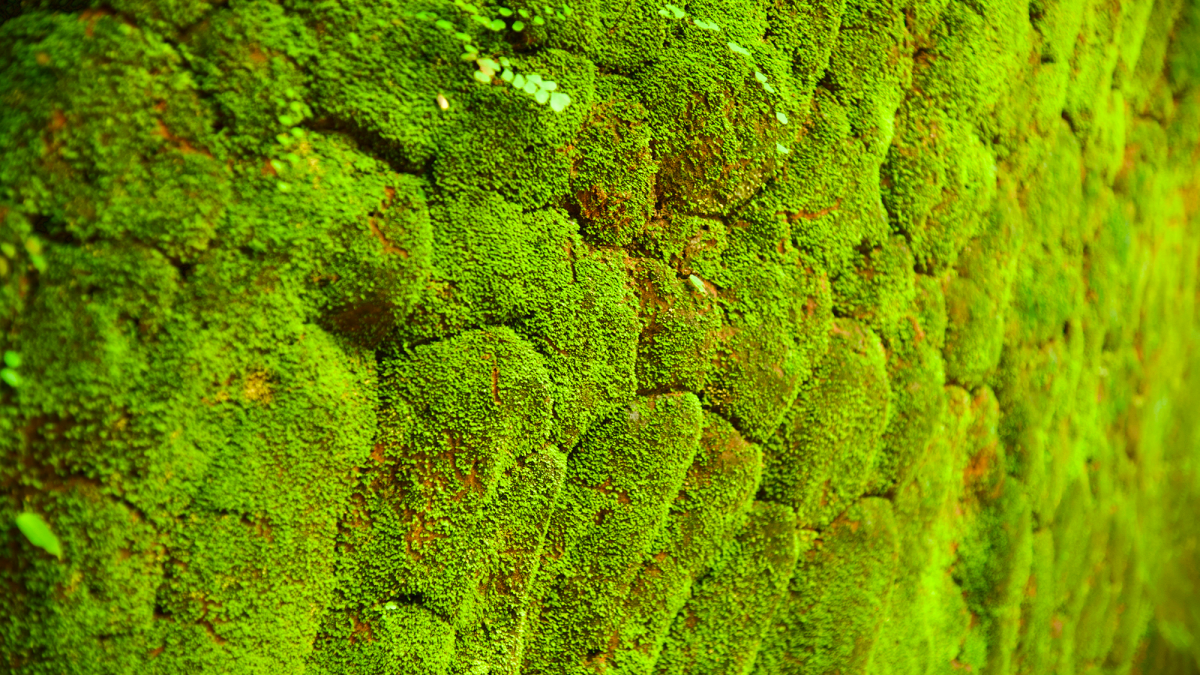
In March 2022, a team from Hokkaido University in Japan sent several moss reproductive structures called sporophytes into space aboard the Cygnus ...Related materials: See here

No comments:
Post a Comment